
It’s that time of year again. The library is packed, the caffeine intake is up, and everyone is talking about revision. But let’s be real —exam season can feel like a mountain you didn't ask to climb.
If you’re feeling more "blah" than usual, you aren’t alone. Here’s how to spot the signs of burnout and actually look after yourself while you study.
Spotting the red flags
Burnout isn't just being "a bit tired". It’s that heavy feeling where your brain feels like fog and even the things you usually love feel like too much effort.
You might notice you’re snapping at people, getting constant headaches, or feeling a sense of cynicism. Researchers describe this as a "what’s the point?" attitude and is a major sign of academic burnout (Maslach & Leiter, 2016).
If your body is sending you battery low signals, it’s time to listen.
Fuelling the engine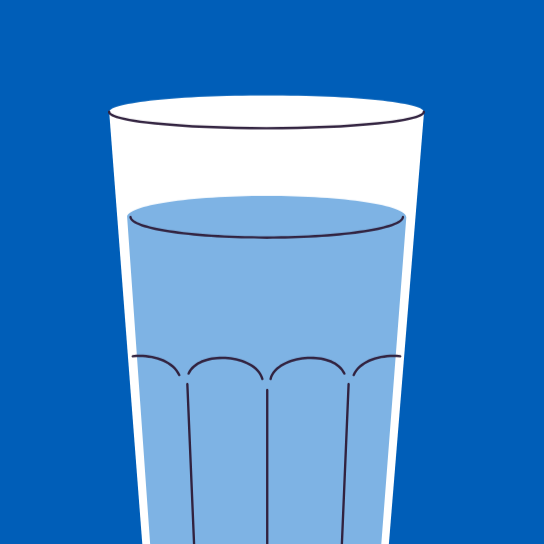
Your brain is like a high-performance laptop—it won't run if the battery is dead. Skipping meals to save time for revision actually backfires because it spikes your anxiety and kills your focus.
Research suggests that something as simple as drinking enough water can boost your exam performance by up to 5% because it keeps your concentration sharp (University of East London, 2012).
Instead of crashing on energy drinks, try slow-release snacks like oats, nuts, or fruit to keep your energy steady so you don’t hit a wall mid-afternoon.
The "4-2-7" reset
When the panic starts to rise and the page starts blurring, try a quick nervous system hack.
Inhale for 4 seconds, hold for 2, and exhale slowly for 7. This tells your brain it’s safe to calm down.
Also, try the "25-5" rule: study for 25 minutes, then take a 5-minute break where you actually step away from your desk.
Quality revision is always better than sitting there for hours absorbing nothing.
The reality check
Here is the most important part: You are so much more than a grade on a piece of paper.
Exams measure what you can remember on one specific day, but they don’t define your intelligence, your potential, or your worth as a person.
Be as kind to yourself as you would be to your best friend.
You’ve got this, and we’re here if it all feels like too much.
Resources to help you look after your mental health
During this time, it’s really important to look after your mental health. We’ve put together a list of resources to help you look after your mental health, support for anxiety and stress, as well as study and exam tips.
Mental Health & Resilience 5 Ways to Wellbeing - NHS
Trying these five things could help you feel more positive and able to get the most out of life.
CWP MyMind Helping Myself & Local Support - NHS
Helping myself is organised into resources available in your area. MyMind has categories on stress and anxiety.
We have East Cheshire resources for stress and East Cheshire resources for anxiety.
We have West Cheshire resources for stress and West Cheshire resources for anxiety.
We have Wirral resources for stress and Wirral resources for anxiety.
Anxiety and stress support
Anxiety, fear and panic - NHS
Most people feel anxious or scared sometimes, but if it's affecting your life there are things you can try that may help.
Exam stress and pressure - Childline
If you’re feeling stressed about your exams, you aren’t alone. Get advice and tips to help you cope.
Study Skills, Revision & Exam Tips
Study support – BBC Bitesize
Bitesize Study support is the go-to place to support you through your studies and other life challenges. With tips and advice to help with revision, exam stress, bullying and more.
Getting help
If stress doesn’t settle after exams: Talk to a trusted adult or GP. If you would like help from Children and Young People's Mental Health Services (CYPMHS), you may wish to speak to a Mental Health Support Team (MHST) through school, or for moderate to severe mental health difficulties, you can refer to services.
If a young person is at immediate risk and needs urgent help with their mental health, please call the 24/7 urgent mental health line by calling NHS 111 and choosing the mental health option.
References
-
Maslach, C., & Leiter, M. P. (2016). Understanding the burnout experience.
-
University of East London (2012). Water 'can improve exam grades'.