
Getting enough sleep is an important part of looking after your mental and physical health. However, with school, hobbies, friendships, exams, and screen time competing for attention, getting a good night's sleep can sometimes feel difficult. The good news is that small changes to your routine can make a big difference. In this blog written for our teenagers by our Cheshire Mental Health Support Team (MHST), we'll explore why sleep matters, how your body clock works, and practical tips to help you build healthy sleep habits that work for you.
Go to bed and wake up at the same time every day
This helps the bodies circadian rhythm, your body clock, to regulate and release important hormones that help you sleep.
Going to sleep at a consistent time can help your body learn when it is time to feel sleepy, as can waking up at the same time every day even on weekends and during the school holidays. Our bodies are designed to go to sleep when it’s dark and wake up when it’s light, this isn’t always possible when our schedules don’t align with the seasons, so we need to try to compensate for this. It’s not necessarily about waking up early, so don’t feel pressured into being an early bird if you’re actually a night owl, it’s consistency that is key.
Going to bed late and having to get up early can create what is known as a ‘sleep deficit’ leading to increased feelings of lethargy, irritability, and poor concentration. Remember, it’s a myth you can ‘catch up on sleep.’ Young people age 13-18 typically need 8-10 hours of sleep a night. If you feel like your circadian rhythm could do with a reset, start by making small changes such as moving your bedtime back gradually by half an hour each week, waking up with natural light where you can and trying gentle exercise on a morning.
Routine is a must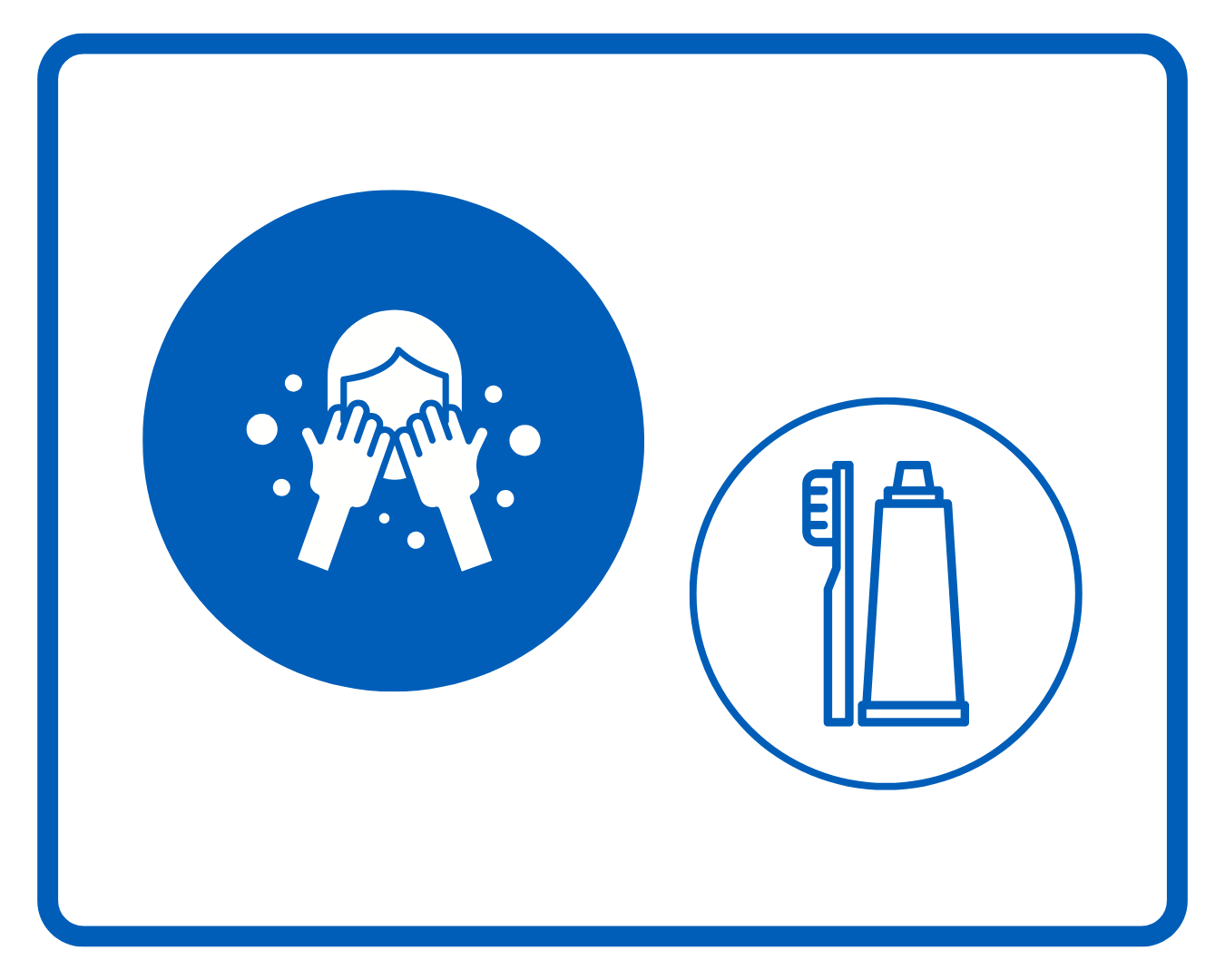
As well as going to sleep and waking up at the same time every day, we can do things to help our bodies produce melatonin, the hormone that helps us sleep. Having a consistent bedtime routine, where activities before sleep are done in the same order every night, can help give the body clues it is time to feel sleepy.
In the hour before bed, try reducing screen time and engaging in calming activities such as reading, puzzles, listening to an audiobook, meditation, yoga or other gentle exercise. Having a shower, brushing your teeth and putting your pyjamas on at the same time every night can also help your body receive queues it is time to get ready for sleep.
A good bedtime routine might look like this:
- 8:00 PM – Do a calming activity, like yoga. Limit your screen use.
- 8:20 PM – Have a snack.
- 8:30 PM – Have a warm shower.
- 8:45 PM - Put on pyjamas, brush your teeth, do skincare.
- 9:00 PM – Get into bed ready for sleep. You might read, listen to calming music, or do guided meditation.
- 7:00 AM - Wake up with natural light. Make sure you have enough time for breakfast and to get ready for the day.
You can adjust your routine based on how much sleep you need. Many teenagers experience a hormonal shift in circadian rhythm and find going to bed early difficult. Consistency is the key to combatting this – you know your body. If you wake up feeling refreshed and ready for the day, your routine is working for you. If you wake up feeling sluggish and struggling to get out of bed, consider making some small, gradual changes to your routine.
Consider any sports or hobbies you may have after school. Be aware, intense exercise too close to bedtime can also impact sleep. Make sure you have enough time for a wind-down before bed.
Ditch the all-nighters and find balance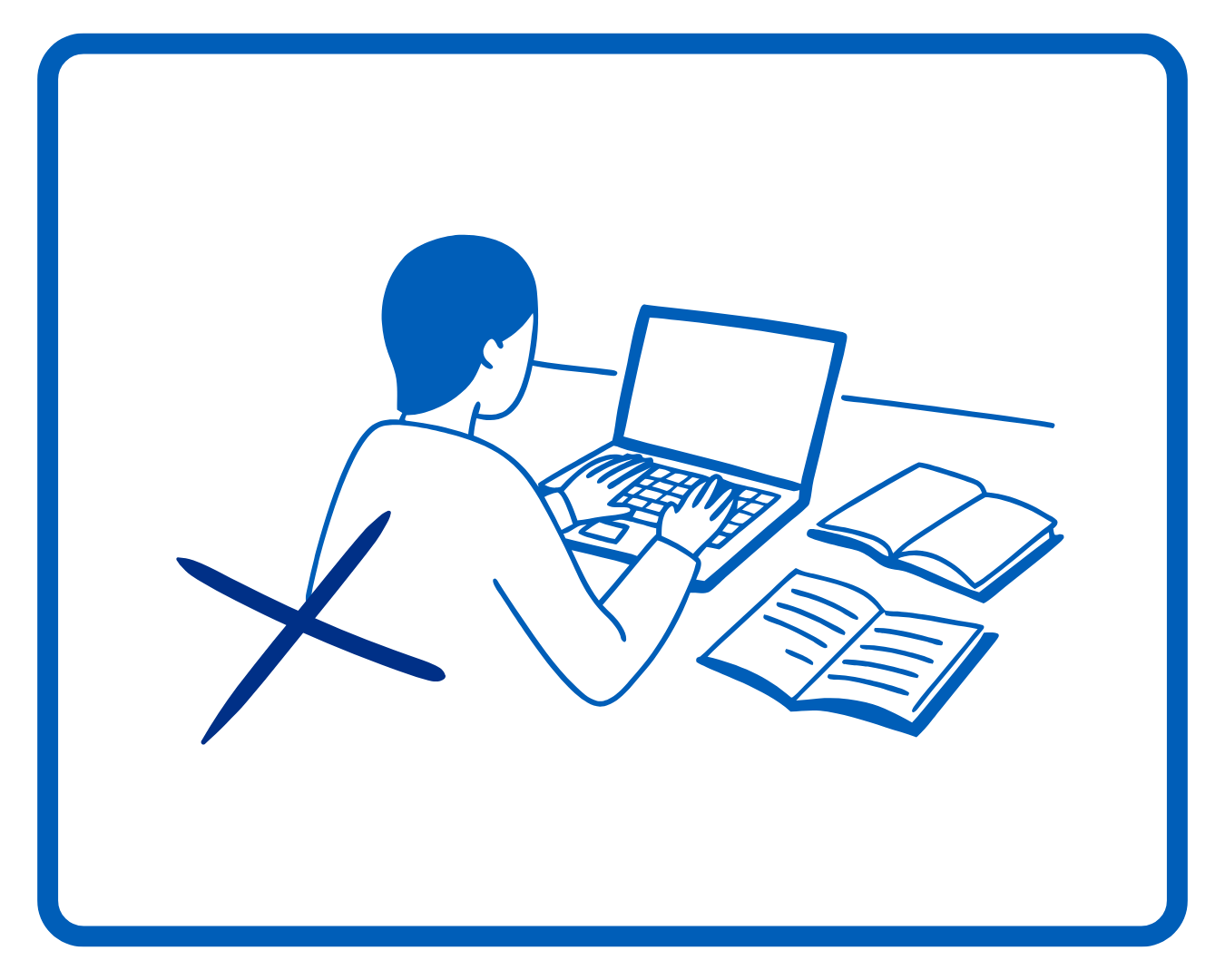
Sleeping for just a few hours a night can seriously affect the way your brain functions. We know exam time can be stressful and the pressure to stay up all night cramming for the next test is tempting. Or maybe you’re the sort of person who puts off revision to stay up all night gaming. Either one can have a big impact on how you feel the next day.
A lack of sleep can lead to decreased memory function, mood difficulties, and can affect reaction times. Having a good bedtime routine and balancing revision with things you enjoy can help lower stress levels and aid better sleep. Remember, although revision is important, so is having a balance of activities in life such as seeing friends, making time for hobbies, and relaxation.
Speak to your teachers if you need help developing a revision timetable.
Avoid screens one hour before bed
We know it’s tempting in today’s world to lay in bed scrolling, texting friends, or even to fall asleep with the tv on watching a comfort show. Evidence has shown that using screens before bed can reduce melatonin production which can make you feel more awake. This is because we are programmed to fall asleep when it’s dark and wake up when it’s light. Devices produce light which sends messages to our brain to feel alert.
If you find reading on a device, listening to an audiobook, or watching TV before bed helps you relax, try dimming your screens as much as possible, using ‘night mode’, or investing in some blue light glasses to help minimise the effects of the light from screens. Ideally, bedrooms should be a screen free zone, and screens should be minimised in the hour before bed. You know what is realistic and what works for you.
For more information on teen sleep and creating a bedtime routine the following websites have some free information and resources specifically for teenagers:
Another useful resource, specifically for 16-17 year olds in Cheshire, is the Wysa Health app. Wysa is an app that gives you anonymous, on‑the‑spot support for your mental wellbeing. You can chat with a chatbot that helps you work through stress or worries, and you’ll also find guided programmes on sleep and quick self‑care tools you can use whenever you need them. Please note: this resource is authorised by Cheshire and Wirral Partnership (CWP) for 16 - 17 year olds in Cheshire only.
In MyMind's Helping myself section, you can find more sleep resources for young people living in East Cheshire, West Cheshire, and Wirral.
We hope these tips have been helpful for you to better understand sleep and how it impacts your mental health and wellbeing.
References:
Sleep Problems | Signs of Sleep Problems. (n.d.). [online] YoungMinds. [Accessed 20 July 2026].
Sleep routines for young people and teenagers. (2019). [online] [Accessed 20 July 2026].
Teen Sleep Hub (2021). Teen Sleep Hub. [online] teensleephub.org.uk. [Accessed 20 July 2026].